The Eye of Horus: Meaning, Symbolism, and How to Choose Your Piece
Share
The Eye of Horus has been worn continuously for over 3,000 years. Not because it photographs well — though it does. Because it carries a specific meaning: restoration. The idea that what is broken can be made whole. That is a different promise than most protective symbols make, and it is worth understanding before you choose a piece.
Photo: monicore / Pexels License
What the Eye of Horus Actually Means
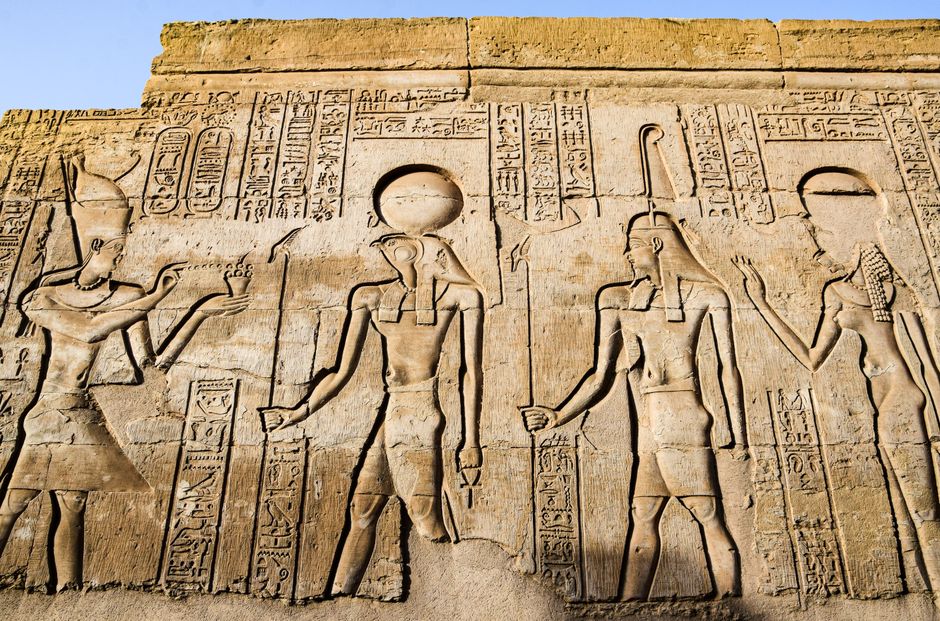
In ancient Egyptian myth, the god Horus had his left eye torn out in a battle for Egypt's throne. Thoth, god of wisdom, recovered the scattered pieces and restored the eye to wholeness — naming it the Wedjat, meaning "the sound one" or "the whole one." That story is the symbol's entire meaning in four words: what was broken, restored.
Here is the part most people do not know: each of the eye's six distinct parts corresponds to a mathematical fraction — 1/2, 1/4, 1/8, 1/16, 1/32, 1/64 — that ancient Egyptian physicians used to measure medicines. Together they sum to 63/64. The missing sixty-fourth was said to be supplied by the gods. Even the symbol's geometry encodes the idea that wholeness requires something beyond human effort alone.
This is why the Eye of Horus has endured while hundreds of other ancient symbols have not. It is not generic protection. It is specifically about healing, recovery, and the return to your best self after something has gone wrong. If that resonates, the symbol will feel right on you. If you are looking for something else — deflection of negative energy, divine guidance, strength — there are other symbols that do that work more precisely. More on that below.
Photo: Tori Metzger / Pexels License
The AuAlchemy Eye of Horus Pieces
There are two Eye of Horus pieces in the collection, and they are genuinely different in character.
Sterling Silver Eye of Horus Necklace — The Classic
The Sterling Silver Eye of Horus Necklace is the purist's choice. The symbol is rendered cleanly in sterling silver — all six of the eye's formal elements present and legible. No stones, no embellishment. The form carries the full meaning on its own, which is exactly the point: when the symbol is this specific, ornamentation would dilute it.
This is the piece for someone who wears meaningful jewelry for personal reasons rather than to be noticed. It sits close to the collarbone, works under clothing as easily as over it, and layers naturally with other meaningful pendants. If you are building a stack of protective or spiritual pieces, this anchors it without competing.
Sterling Silver Natural Turquoise & Diamond Eye of Horus Necklace — The Statement
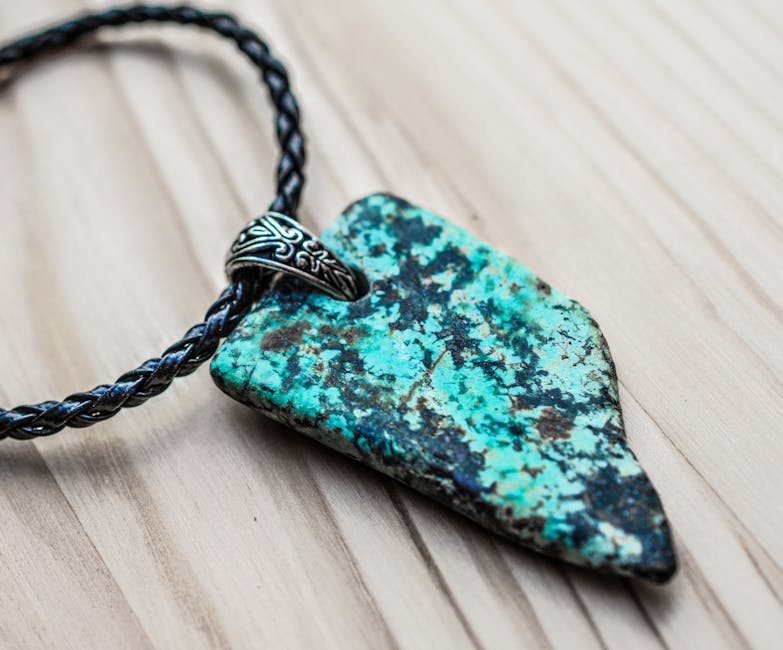
The Sterling Silver Natural Turquoise & Diamond Eye of Horus Necklace adds natural turquoise and diamonds to the eye's form — and this is not arbitrary. In ancient Egypt, turquoise was sacred to Hathor, the goddess associated with healing and restoration, which made it the traditional material for Eye of Horus amulets for precisely the same reasons the symbol itself was chosen. The two elements reinforce each other.
Visually, the turquoise reads as a vivid pop of blue-green against silver — striking worn alone, distinctive in a layered stack. The diamonds add brilliance without heaviness. This is the piece for someone who wants the symbol's meaning and a piece that earns attention. It also works as a gift — the symbolism gives it a reason, and the turquoise gives it a story to tell.
Photo: Fatih KÖRKÜ / Pexels License
Eye of Horus vs. Other Protective Eye Symbols
Eye symbols appear across many traditions, and they are often sold as interchangeable. They are not. Each has a specific meaning, and choosing the right one is worth a few minutes of thought.
Eye of Horus: Restoration and Healing
As described above — this is for someone navigating recovery, a new chapter after difficulty, or a deliberate intention to return to wholeness. It is the most historically specific of the eye symbols, with the clearest mythological backstory.
Evil Eye: Deflection of Negative Energy
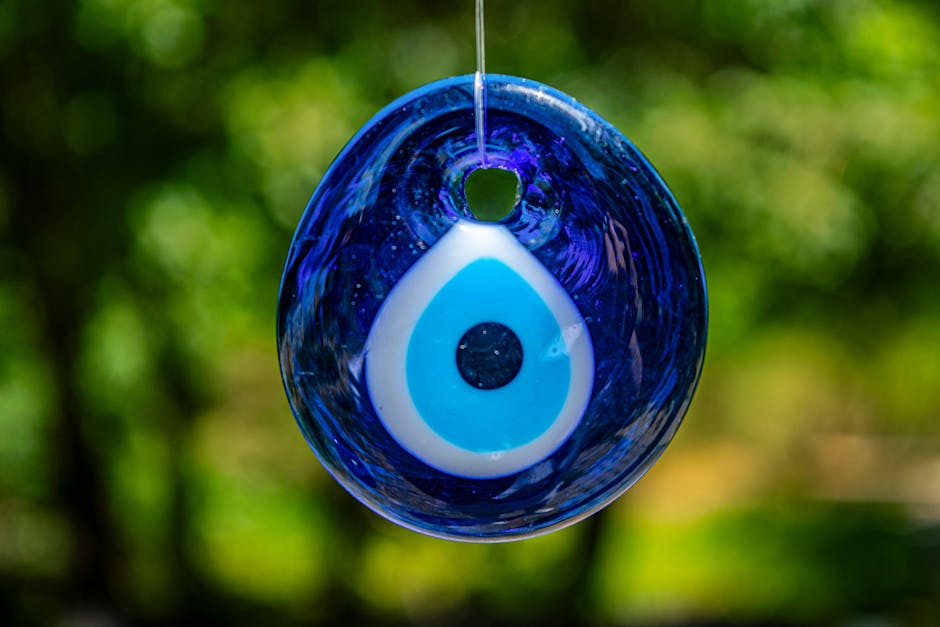
The evil eye (nazar) is rooted in a different belief: that envious or malicious attention from others can cause real harm, and that a symbolic counter-gaze absorbs or reflects it. The Sterling Silver Evil Eye Necklace is for the person who wants a shield — something between them and the outside world's negative energy. Different function than the Wedjat, same family of intention.
The all-seeing eye of divine omniscience — rooted in Christian and Masonic traditions, best known from the US dollar bill. The Sterling Silver Natural Diamond Eye of Providence Necklace suits someone drawn to the idea of being seen and guided by something greater, rather than specifically healed or shielded.
The open hand with an eye at its center, shared across Jewish and Islamic protective traditions. The Hamsa Sterling Silver Necklace with Diamond is the most culturally cross-traditional of the four — if the specific Egyptian origins of the Wedjat are less important to you than a broadly protective symbol with spiritual weight, the Hamsa may be the better fit.
Quick guide: Healing and recovery → Eye of Horus. Deflecting negativity → Evil Eye. Divine guidance → Eye of Providence. General protective blessing → Hamsa.
How to Wear It
Alone
Both Eye of Horus necklaces sit best at 16–18 inches — at or just below the collarbone. This places the pendant where it can be seen and touched easily, which matters for a symbol you are wearing with intention. The sterling silver version works against any neckline; the turquoise version has enough presence to be the focal point of a simple outfit.
Layered
The Eye of Horus layers naturally with other meaningful pieces. A few combinations that work well:
Eye of Horus + Hamsa: Two protective traditions, complementary visual weights. Wear the Eye of Horus at 16" and the Hamsa at 18" so neither gets crowded.
Eye of Horus + a zodiac necklace: Personal identity (your sign) plus protective intention. The zodiac pendant usually carries the longer chain; the Eye of Horus sits above it.
Eye of Horus + a bar necklace: The geometric contrast between the eye's organic form and a clean horizontal bar is visually strong. Works especially well with the sterling silver version.
As a Gift
The Eye of Horus makes a meaningful gift for someone in recovery — from illness, from a difficult period, from loss. The symbolism does the work of saying something that is hard to put in a card. The turquoise and diamond version has enough visual presence that it reads as a considered gift, not a casual one.
Frequently Asked Questions
What is the difference between the Eye of Horus and the evil eye?
The Eye of Horus is an ancient Egyptian symbol specifically about healing and restoration — the eye that was damaged and made whole again. The evil eye (nazar) is a Mediterranean tradition about deflecting envious or malicious gazes. Both involve protective eye symbolism, but they address different concerns. One is about internal restoration; the other is about external protection.
What is the difference between the Eye of Horus and the Eye of Ra?
Both belong to the god Horus — his left eye (the moon) is the Wedjat, associated with healing and restoration. His right eye (the sun) is the Eye of Ra, associated with solar power and fierce divine force. The Wedjat is the healing eye; the Eye of Ra is the power eye. Most jewelry labeled "Eye of Horus" depicts the left eye.
Can men wear Eye of Horus jewelry?
Yes — and historically this symbol was worn by men and women equally. The sterling silver version in particular sits cleanly on any aesthetic. It works as a single pendant for men who wear minimal jewelry, and layers naturally into a more layered look without reading as delicate.
Is the Eye of Horus culturally appropriate to wear?
Ancient Egyptian religion is not a living tradition with practitioners who would consider the symbol exclusively theirs. The Wedjat spread across the Mediterranean world in antiquity — carried by Phoenician traders, adopted by Greeks, Romans, and Coptic Christians. It has been part of shared human symbolic vocabulary for millennia. Wearing it with knowledge of its meaning is considered respectful.
What materials are most traditional for Eye of Horus jewelry?
Gold and turquoise were the most historically significant materials for Eye of Horus amulets — gold for its associations with divine power, turquoise for its connection to Hathor and healing. Sterling silver is a practical contemporary choice that honors the lunar, restorative character of the symbol. The turquoise and diamond version in this collection is the closest material echo of the ancient tradition.
How do I choose between the sterling silver and the turquoise version?
If you want a piece that works quietly as part of an everyday stack or under clothing — go sterling silver. If you want a piece that announces itself and carries both visual and symbolic weight — go turquoise and diamond. The meaning is identical; the presence is very different.
—
The Eye of Horus is one of the few symbols in jewelry where the history and the meaning are inseparable — where knowing the story actually changes what the piece feels like to wear. Three thousand years of people reaching for the same idea: that what is broken can be restored, and that carrying that intention matters. Browse the full Protective Talismans collection to find the symbol that speaks to where you are right now.